How Dropshipping With Domestic Suppliers Transforms the Customer Experience
Switching to domestic dropshipping suppliers can significantly reduce shipping times, enhance customer trust, and improve conversion rates—though it comes with trade-offs in margin and product variety. Understanding these factors helps dropshippers craft a more competitive and customer-centric business model.
Jordan specializes in turning complex make money online & online business topics into clear, useful explainers for everyday readers.
Why Supplier Geography Affects Store Performance
In a dropshipping business, the location of your supplier isn't just a logistics detail—it directly impacts customer satisfaction and store profitability. Traditionally, many dropshippers source products from overseas suppliers, often China-based, leveraging low wholesale prices and vast product availability. However, long shipping times, customs delays, and inconsistent quality control often lead to frustrated customers and increased refund rates, eroding brand trust.
Opting for domestic suppliers alters this dynamic profoundly. Faster delivery times, easier returns, and clearer communication channels lead to smoother customer experiences and fewer service headaches. Yet, this change also means navigating trade-offs in profit margins and product selection.
Domestic Suppliers Versus Overseas Suppliers
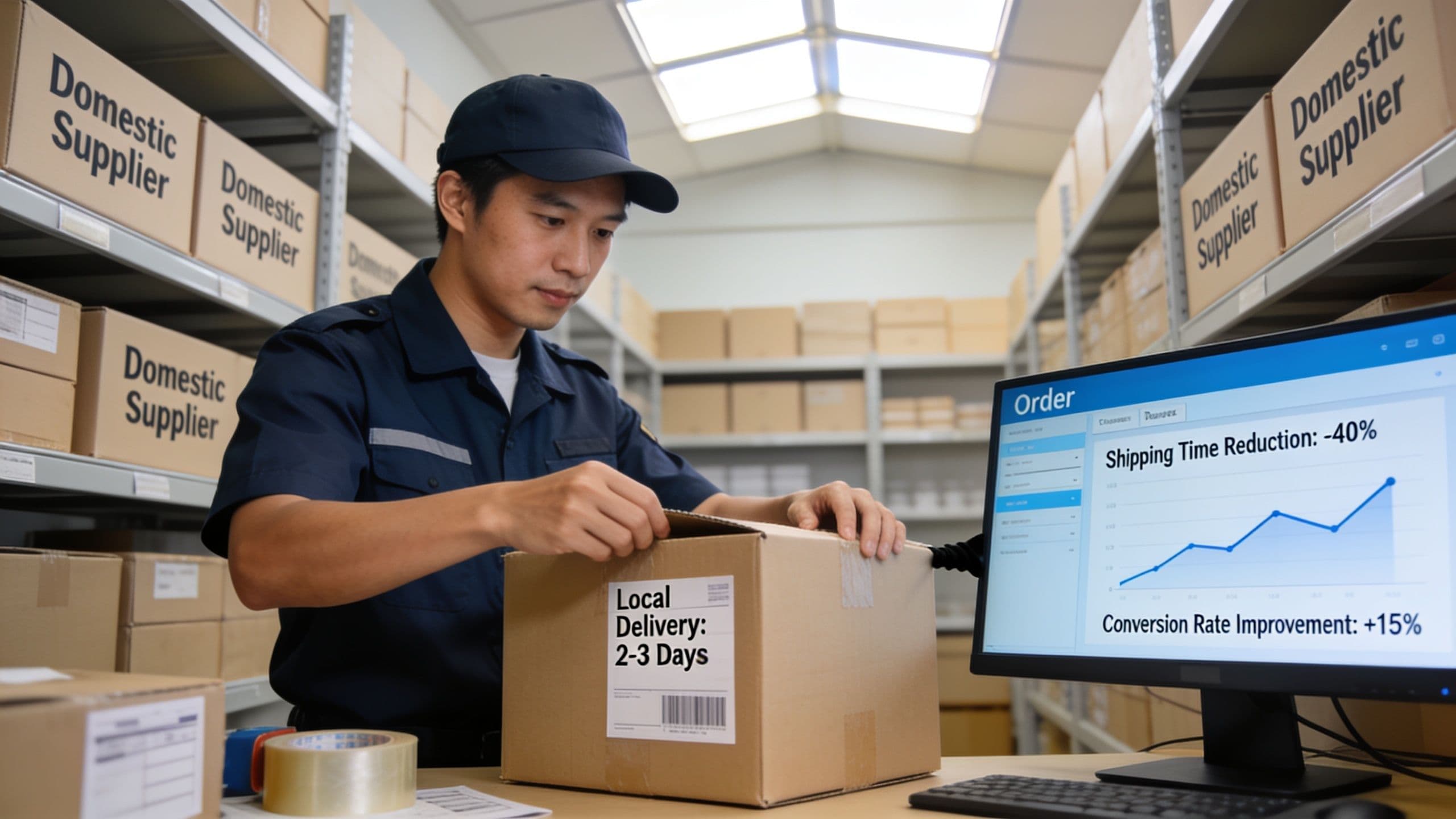
Domestic suppliers provide several strategic advantages over their overseas counterparts. The chief benefit is proximity: shipping from within the country reduces transit times from 2-6 weeks down to just a few days. This quick turnaround supports higher customer satisfaction and repeat purchases. Furthermore, domestic suppliers often maintain stricter quality standards and more reliable inventory records, mitigating the risk of negative reviews due to out-of-stock or defective items.
However, overseas suppliers typically offer lower wholesale costs, larger catalogs, and more flexibility in trends and niche items. This breadth can be appealing for dropshippers targeting highly specialized or budget-sensitive markets. Domestic products may carry a higher price tag, which necessitates careful pricing strategies to maintain competitive margins.
How Shipping Speed Changes Conversion and Refunds
Studies confirm that delivery speed significantly affects e-commerce conversion rates. Customers shopping online increasingly expect fast, predictable shipping. When products arrive within days instead of weeks, buyers feel more confident and less likely to cancel orders or request refunds.
Faster shipping also reduces the likelihood of customers abandoning carts due to uncertainty about delivery times. Domestically sourced dropshipping aligns better with these expectations, enabling store owners to advertise expedited fulfillment times and thereby build trust.
Shorter delivery windows also mean fewer refund requests due to delayed delivery or lost packages. This reduces operational overhead and improves profitability while fostering positive customer relationships.
Margin Trade-Offs and Product Availability
Switching to domestic dropshipping often results in tighter profit margins, primarily because domestic suppliers usually charge higher wholesale prices than low-cost overseas manufacturers. Dropshippers need to recalibrate pricing models, balancing slightly reduced margins against potentially increased order volume driven by better conversion rates.
Additionally, the product selection with domestic suppliers can be narrower. Many specialized or very low-cost goods remain primarily available abroad. Store owners focused on niche markets might find domestic catalogs limiting unless suppliers carry complementary or premium versions of targeted products.
That said, the trade-off can be worthwhile; a smaller but higher-quality selection may justify a controlled brand image and reduce returns and complaints.
Vetting Domestic Suppliers Properly
Finding reliable domestic dropshipping suppliers is essential. Unlike established marketplaces with vetted suppliers, many domestic wholesalers are unfamiliar with dropshipping models.
Store owners should:
Request samples to verify product quality and packaging.
Confirm inventory accuracy and lead times.
Check supplier reputation through business ratings, testimonials, and trade references.
Verify return policies and support responsiveness.
Platforms like Spocket and SaleHoo have expanded their databases of domestic vendors, making initial searches easier, but due diligence remains vital.
Store Messaging That Highlights Faster Fulfillment
A compelling advantage of domestic dropshipping lies in how the store presents fulfillment speed. Clear, prominent messaging about "Ships within 2-3 business days" or "Delivered in under a week" can convert hesitant shoppers and set realistic expectations.
Transparent communication regarding faster shipping policies, local sourcing advantages, and hassle-free returns supports higher consumer confidence. Social proof such as reviews praising delivery speed can reinforce this message.
Careful marketing that highlights these unique customer experience benefits distinguishes a dropshipping store from countless overseas competitors struggling with delayed shipping complaints.
When Domestic Dropshipping Makes More Sense Than Importing
Domestic dropshipping is particularly suitable for sellers focusing on brand reputation, customer trust, and higher-touch experiences. Businesses selling higher-priced or quality-sensitive products typically benefit from faster shipping and more reliable quality control.
Stores in regions with strong local supplier networks or targeting customers who prioritize "Made in the USA" or local sourcing narratives also find domestic dropshipping advantageous.
Moreover, dropshippers frustrated by chronic refund issues or poor conversion rates due to long overseas shipping have a strong strategic reason to pivot to domestic suppliers.
Ultimately, the choice hinges on the business model and customer expectations. Incorporating domestic suppliers can be a strategic differentiator, offering an enhanced customer experience even if it involves adjusting margins and product ranges.
Safety & Scope
This article is for general informational purposes and does not replace professional advice for complex repairs or installations.
Frequently Asked Questions
+Is domestic dropshipping better than overseas dropshipping?
Domestic dropshipping often provides faster shipping, improved customer trust, and fewer disputes, which can result in higher conversion rates. However, overseas dropshipping might offer lower wholesale prices and more product variety. The best choice depends on your target market and business priorities.
+Do local suppliers improve conversion rates?
Yes, faster shipping from local suppliers can reduce cart abandonment and increase conversion rates because customers value predictable and quick delivery. Highlighting domestic fulfillment times in your store messaging strengthens this effect.
+What are the downsides of domestic dropshipping?
The main downsides include higher wholesale prices, narrower product selections, and potentially lower profit margins. Additionally, some domestic suppliers might be less experienced with dropshipping logistics, requiring thorough vetting.
+How do you find reliable domestic dropshipping suppliers?
Start by researching platforms like Spocket or SaleHoo that specialize in domestic vendors. Always request product samples, verify supplier reliability through reviews or references, confirm inventory and shipping policies, and ensure they support dropshipping operations professionally.