Course, Template, or Membership: Matching the Right Digital Product to Your Expertise
Choosing the right digital product format—course, template, or membership—is crucial for monetizing your expertise effectively. This guide provides a clear framework to align your knowledge, audience behavior, and business model preferences for sustainable success.
Avery writes about trends, platforms, and strategic shifts in make money online & online business, with attention to what matters in practice.
Why Product Format Matters as Much as Topic Choice
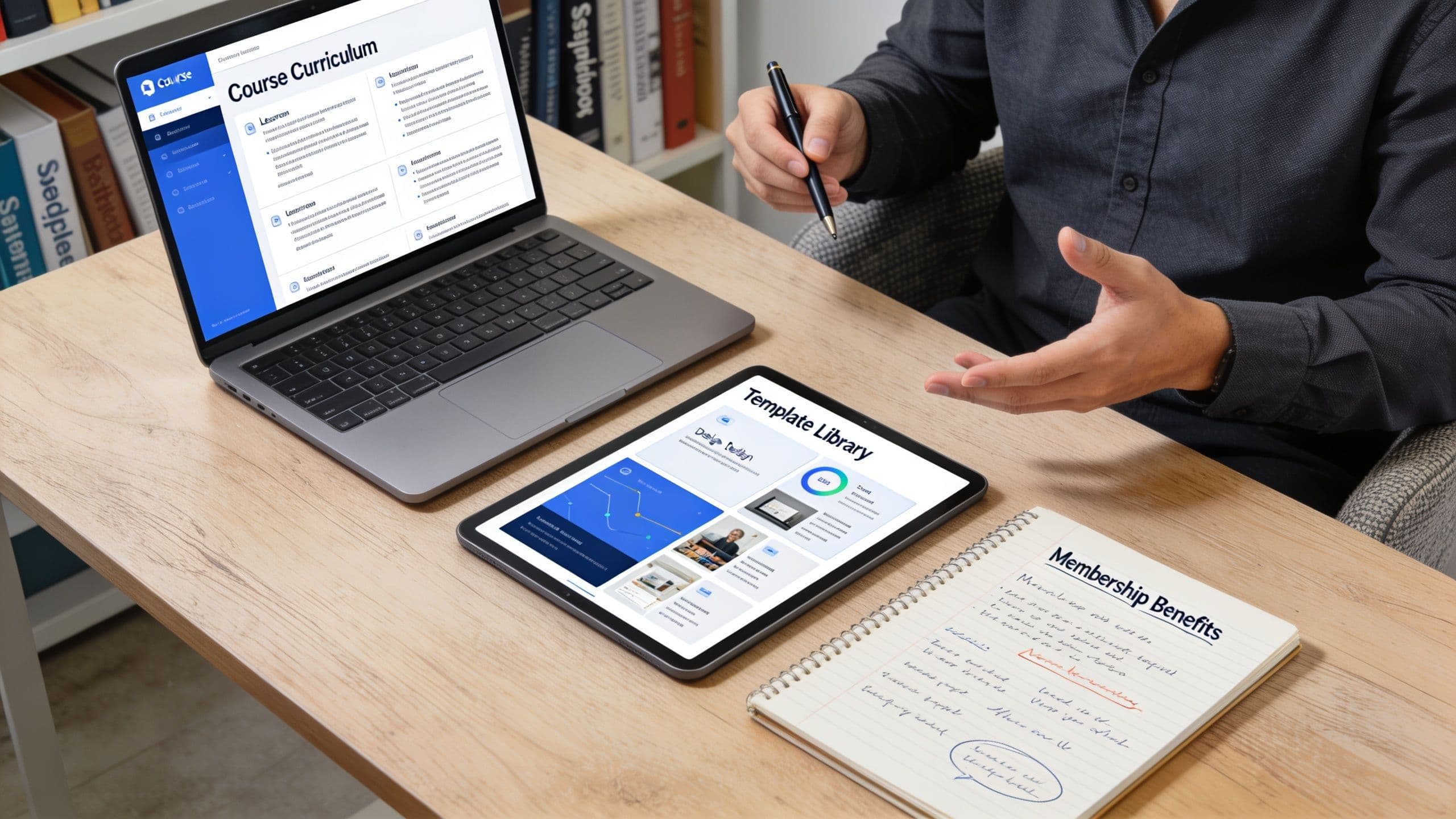
Selecting the right format—course, template, or membership—is as critical as choosing the topic itself when turning knowledge into a digital product. Your expertise may be deep and valuable, but without the proper delivery, even the best content can fail to convert or engage. The format shapes how your audience consumes your material, how you price and market it, and how much ongoing effort is required to maintain your product. Recognizing the strengths and constraints of each format helps you build a product that aligns with your skills, audience needs, and business goals.
Courses: Strengths, Weaknesses, and Audience Fit
Courses are comprehensive, structured learning experiences that typically combine video lessons, downloadable resources, and sometimes community elements. They are ideal for conveying in-depth, complex knowledge or multi-step processes.
Strengths:
Allow for deep dives into subject matter with sequential learning paths.
Facilitate transformations requiring commitment, like mastering a skill.
Can command higher price points due to perceived value.
Weaknesses:
Creation demands significant upfront time investment in planning, filming, and editing.
Completion rates can be low; requiring engagement strategies.
Technical know-how or platforms are needed for hosting and delivery.
Audience Fit: Courses best suit learners eager for structured guidance and prepared to invest both time and money. They work particularly well for expertise involving skills acquisition, certification, or personal development. For instance, a graphic designer teaching branding strategies or a coder offering programming skills would thrive with a course format.
Templates: Speed, Utility, and Lower Support Load
Templates are pre-built, customizable digital tools like spreadsheets, design files, or copy frameworks that customers use directly to solve specific problems.
Strengths:
Faster to create and launch compared to courses.
Solve immediate, practical needs, delivering quick wins.
Lower customer support since use is straightforward and results are tangible.
Weaknesses:
Usually lower-priced products with less revenue per sale.
Limited scope to impart deep knowledge, more focused on utility.
Can require updates as software or trends change.
Audience Fit: Templates appeal to busy professionals or creators who want to shortcut routine tasks without investing time in learning theory. For example, a social media strategist might sell content calendar templates, or a business consultant might offer financial planning spreadsheets.
Memberships: Recurring Revenue with Ongoing Demands
Membership models provide ongoing access to content, community, resources, or coaching, usually via monthly or annual subscriptions.
Strengths:
Generate predictable, recurring revenue streams.
Build deeper, long-term relationships between creator and audience.
Facilitate community building and real-time support.
Weaknesses:
Require continuous content creation and engagement.
Members expect evolving value and regular interaction.
Higher time commitment and operational complexity.
Audience Fit: Memberships suit experts comfortable with providing ongoing value and fostering communities. This format is beneficial when the subject involves trends, continuous learning, or peer support—such as marketing masterminds, health coaches, or writing groups.
A Selection Framework Based on Expertise, Time, and Trust
To determine your optimal digital product format, consider these key factors:
Depth of Expertise: Complex, multi-step knowledge typically fits a course format, while tactical, repeatable knowledge might align with templates.
Audience Readiness and Trust: Newer audiences may respond better to low-risk products like templates. Established communities may support memberships with ongoing engagement.
Time and Resource Availability: If you have limited time, templates can be a faster launch. Courses require more preparation, and memberships demand ongoing content.
Monetization Goals: High one-time sales vs. recurring income preferences influence the format choice.
Mapping these factors explicitly can guide whether you start with easier-to-launch templates or invest upfront in courses, then expand to memberships as relationships grow.
How to Sequence Formats as Your Audience Grows
A strategic product funnel starts simple and evolves with audience maturity:
1. Start with Templates: Quick wins to build credibility and income with minimal time investment. Validate demand and refine messaging. 2. Develop a Course: Use feedback and data from template buyers to create a more comprehensive offering addressing deeper needs. 3. Launch a Membership: Once trust and engagement are established, introduce memberships for continuous learning and community support.
Creators like Marie Poulin have exemplified this approach, initially selling templates, then courses, and finally memberships centered on digital product education.
By matching your digital product format to your expertise and audience behavior, you position your knowledge business for long-term growth and sustainability.
Safety & Scope
This article is for general informational purposes and does not replace professional advice for complex repairs or installations.
Frequently Asked Questions
+Should I sell a course or a template first?
Starting with a template is often easier and faster, allowing you to test your market and build initial credibility. Templates have lower production barriers and can generate quicker feedback to inform a future course.
+When does a membership make more sense than a course?
Memberships are preferable when your subject requires ongoing updates, community engagement, or when you want to build recurring revenue. If your audience benefits from continual support or content, a membership is a strong fit.
+Which digital product format is easiest to launch solo?
Templates typically require the least time and technical resources, making them the easiest format to launch independently. They don’t need extensive video production or ongoing interaction, streamlining the launch process.