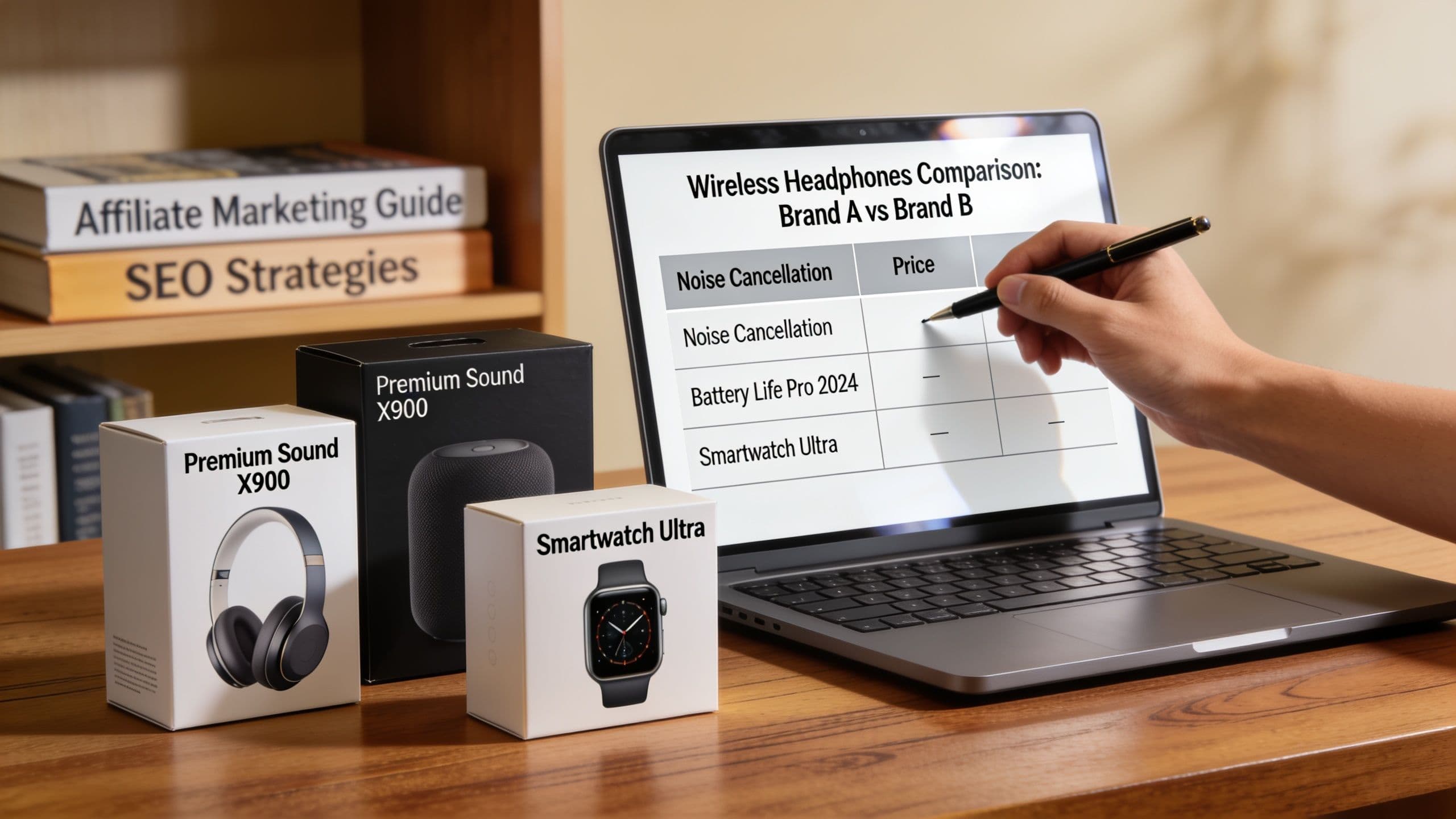
Why a Comparison Site Can Outperform a Review Site in Buyer Intent Niches
Comparison-driven affiliate content often captures stronger purchase intent than standard reviews by aligning closely with buyer psychology, particularly in software and services. Understanding this dynamic can help affiliate marketers and niche site builders maximize conversions.
Jordan specializes in turning complex make money online & online business topics into clear, useful explainers for everyday readers.
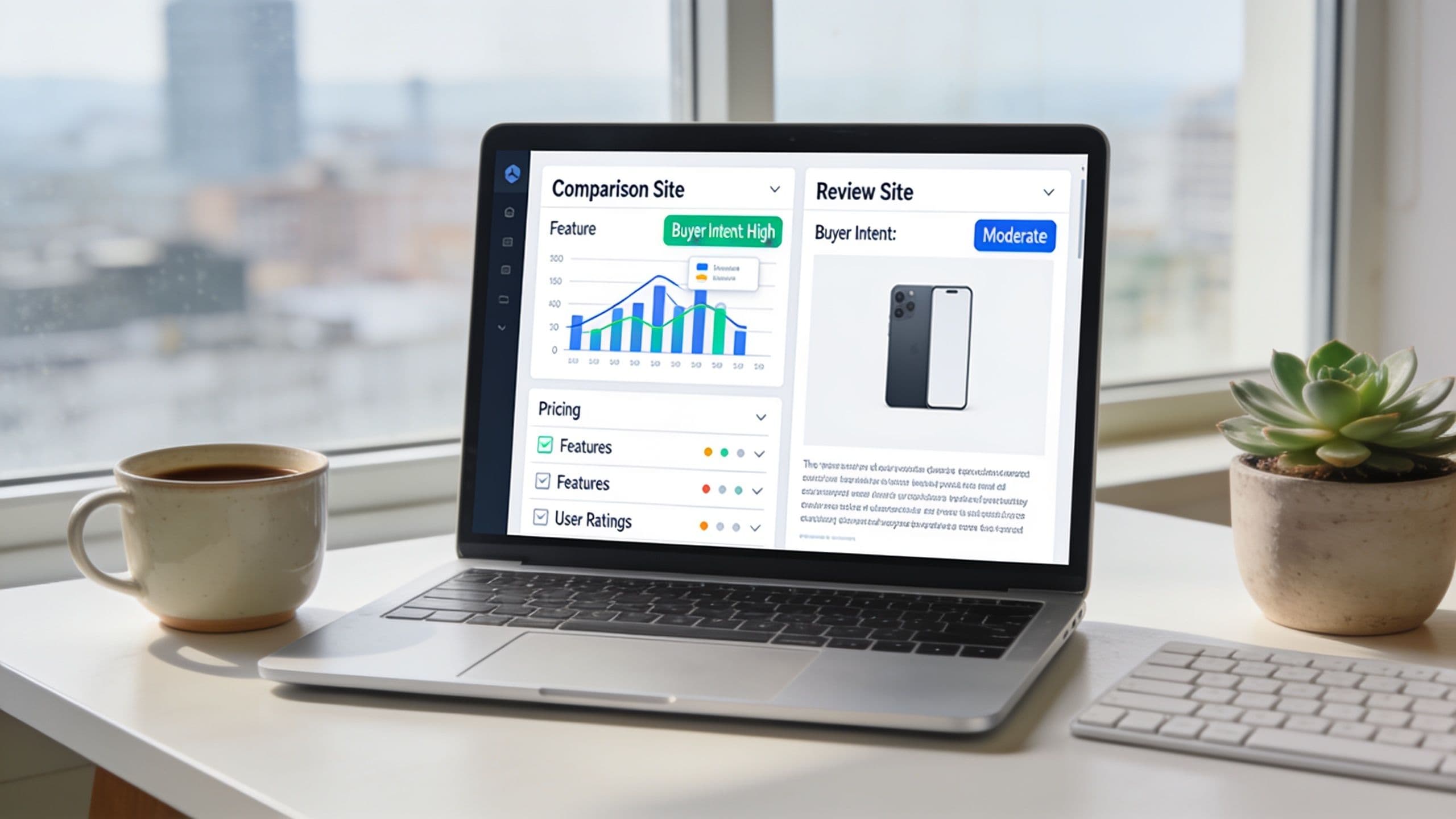
Why Comparison Content Matches Buyer Psychology
When shoppers are actively evaluating options before a purchase, their mindset is decisively comparative. They seek direct side-by-side information that simplifies choice rather than isolated in-depth reviews of single products. Comparison content mirrors this buyer behavior by presenting advantages, disadvantages, features, and pricing across multiple options on one page. This format reduces cognitive load and builds confidence.
Standard review pages typically detail one product’s features and claims, which appeals more in early research stages. But at the final stages of decision-making—when buyer intent is highest—comparison content becomes more effective as it caters to the mental framework buyers use when narrowing choices.
Review Pages Versus Comparison Pages in the Funnel
In the purchase funnel, review content often occupies the awareness and consideration phases. Readers want to understand a product’s core benefits, user experience, and unique selling points. Review articles excel here by providing thorough background.
Comparison pages target the decision phase directly. They answer the buyer's core question: "Which product is best for me?" This urgency means users on comparison pages are further along and closer to converting. Affiliate marketers who focus on comparison content generally capture a more qualified audience ready to make a purchase, positioning them to earn higher affiliate commissions.
Niches Where Comparisons Convert Especially Well
Certain product and service niches lend themselves naturally to comparison approaches:
SaaS Software: Buyers want to compare pricing tiers, features, integrations, and user limits across platforms like CRM, email marketing, and project management tools.
Financial Services: Comparing credit cards, loans, and insurance plans is essential for consumers balancing rates, fees, and rewards.
Home Appliances: Functional features and warranties differ significantly across brands.
Health & Wellness Products: Comparing ingredients, benefits, and price points helps consumers select supplements or fitness gadgets.
These high-consideration categories have complex buying criteria, making side-by-side comparisons invaluable.
Page Structures That Increase Affiliate Clicks
Effective comparison pages follow a structured user journey that promotes clarity:
1. Summary Table: A top-level matrix with key product specs, prices, and star ratings captures immediate interest. 2. Detailed Feature Breakdown: Sections dedicated to each product’s capacities, benefits, and limitations. 3. Pros and Cons: Honest bullet points help the visitor weigh trade-offs quickly. 4. Use Case Recommendations: Highlight which product suits specific buyer profiles or needs. 5. Clear Call-to-Action Buttons: Strategically placed affiliate links labeled with compelling action phrases drive clicks.
Integrating visual elements like comparison charts, checkmarks, and icons increases engagement and makes scanning easier.
SEO and Keyword Patterns Behind Comparison Intent
Comparison keywords often include modifiers like "best," "vs," "top," and "compare." Examples: "best CRM software comparison 2024" or "Mailchimp vs ConvertKit."
These keywords signal explicit transactional intent, as users are positioning themselves for a close purchase decision. They typically have lower search volume than broad reviews but convert at a higher rate. Optimizing for comparison-based search queries enables affiliate sites to attract motivated leads with a stronger propensity to buy.
Furthermore, comparison pages benefit from internal linking strategies that funnel visitors from earlier educational articles to these high-conversion pages.
Monetization Trade-Offs and Content Maintenance
Producing quality comparison content demands more upfront research, data validation, and impartiality than individual reviews. Affiliate marketers must regularly update comparisons to reflect pricing changes, feature updates, and market shifts.
However, the improved conversion rates often justify the higher maintenance. Some sites strike balance by combining both review and comparison content, using reviews to educate and comparisons to drive purchase actions.
Mistakes That Make Comparison Pages Feel Thin or Biased
To avoid losing credibility—and thus affiliate revenue—affiliate marketers must:
Avoid superficial comparisons with generic or duplicated content.
Present balanced pros and cons rather than overwhelmingly favoring one product.
Use transparent affiliate disclosures.
Avoid cluttered tables that confuse rather than clarify.
Loss of trust from perceived bias reduces user engagement and increases bounce rates. Maintaining editorial integrity is essential for long-term success.
---
Comparison sites can outperform traditional review sites by aligning closely with buyer intent psychology, especially in niches where buyers seek clarity among complex options. By structuring comprehensive, transparent, and updated comparison content, affiliate marketers and niche site builders can capture higher-converting traffic and strengthen monetization potential.
Safety & Scope
This article is for general informational purposes and does not replace professional advice for complex repairs or installations.
Frequently Asked Questions
+Are comparison articles better than product reviews for affiliate marketing?
Comparison articles generally capture stronger purchase intent because they address buyer needs at the decision stage, offering direct side-by-side evaluations that help finalize choices. However, reviews remain valuable earlier in the research phase.
+What niches work best for comparison content?
Niches with complex buying criteria and multiple competing products or services perform well, such as SaaS software, financial services, home appliances, and health products, where comparing features, pricing, and benefits is crucial.
+How should you structure an affiliate comparison page?
A successful comparison page includes a summary comparison table, detailed feature breakdowns, pros and cons, targeted use case recommendations, and clear calls to action with compelling affiliate links.
+Do comparison keywords convert better than review keywords?
Yes, comparison keywords often indicate higher buyer intent since they contain terms like “vs” or “best,” signaling users are closer to making purchase decisions and thus typically convert at a higher rate.