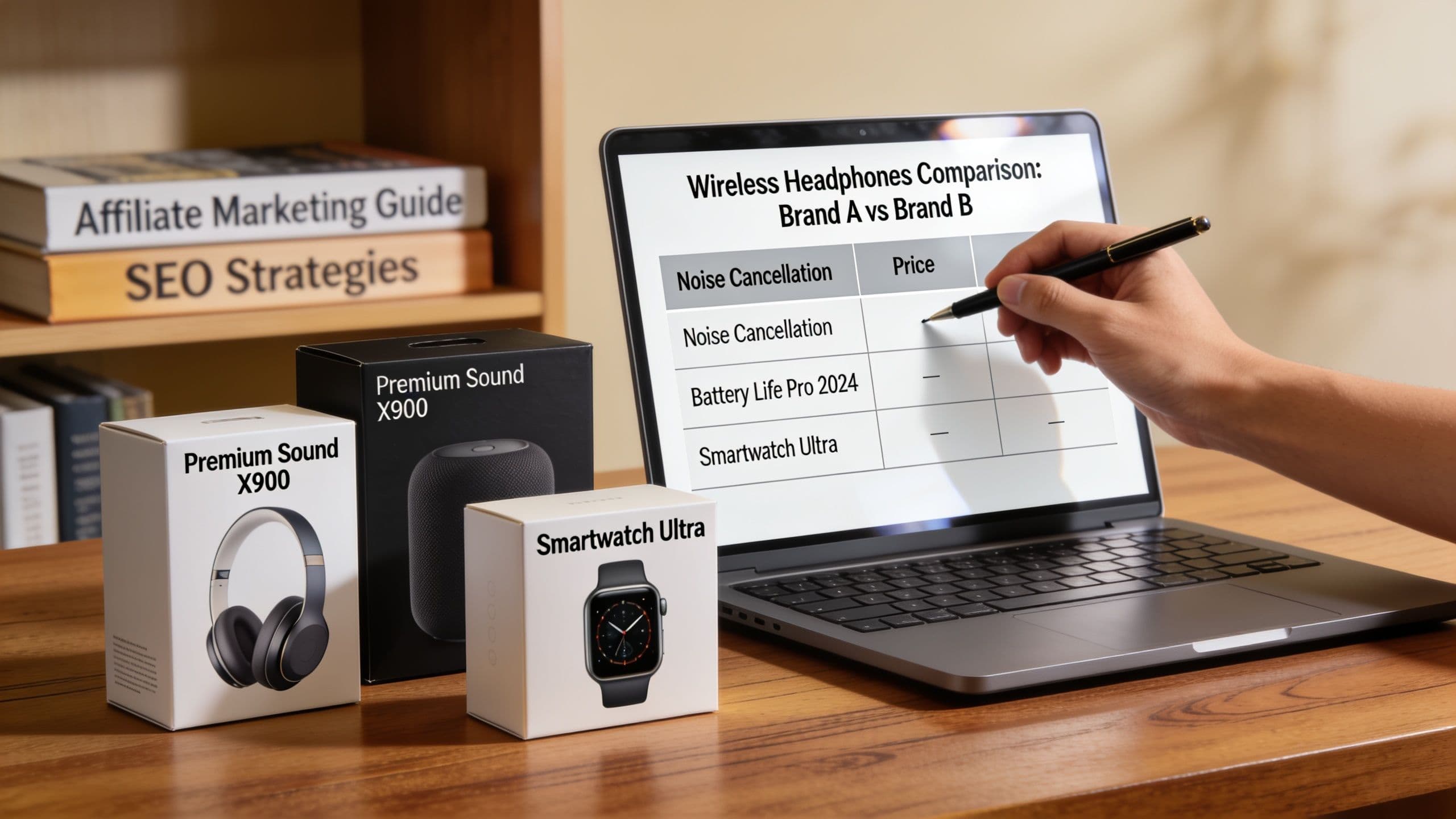
Why Comparison Pages Often Convert Better Than Reviews in Specific Affiliate Niches
In affiliate marketing, understanding when to deploy comparison pages over traditional reviews can significantly boost conversion rates. This article explores the purchase intent nuances driving this effect, highlights niches where comparisons excel, and outlines the structural elements that make comparison pages power
Jordan specializes in turning complex make money online & online business topics into clear, useful explainers for everyday readers.
The Intent Difference Between Reviews and Comparisons
Affiliate marketers often debate which content type best drives conversions: detailed single-product reviews or comparison pages that pit multiple options side-by-side. The key lies in reader intent.
Review content generally attracts users in the early to mid-stages of the buying journey—those still researching or discovering a product’s features, benefits, and potential drawbacks. A well-crafted review educates and builds credibility but may not immediately nudge toward purchase.
In contrast, comparison pages typically serve readers further down the funnel. Here, shoppers have often already decided on a product category or solution type and want to quickly identify the best option that suits their needs. When the visitor’s mindset is "Which one should I buy?" rather than "Should I buy this at all?" comparison content meets—and capitalizes on—that intent.
Niches Where Comparison Content Shines
Not all affiliate niches reap equal rewards from comparison articles. They perform best in markets where choices present quantifiable trade-offs based on features, price, or usage scenarios. Examples include:
Consumer electronics: Smartphones, laptops, headphones, and smartwatches where specs and design matter.
Software-as-a-Service (SaaS): Tools with overlapping functionality like CRM platforms, email marketing services, or project management apps.
Financial products: Credit cards, insurance plans, and investment platforms with varying fees, rewards, and conditions.
Health and wellness equipment: Fitness trackers, massage devices, or nutritional supplements where user needs and budgets differ.
Conversely, products that are highly specialized, boutique, or heavily expert-driven may rely more on comprehensive reviews to build trust rather than comparisons.
Structural Elements of High-Converting Comparison Pages
To maximize conversion potential, comparison pages must do more than list product specs side by side. Essential features include:
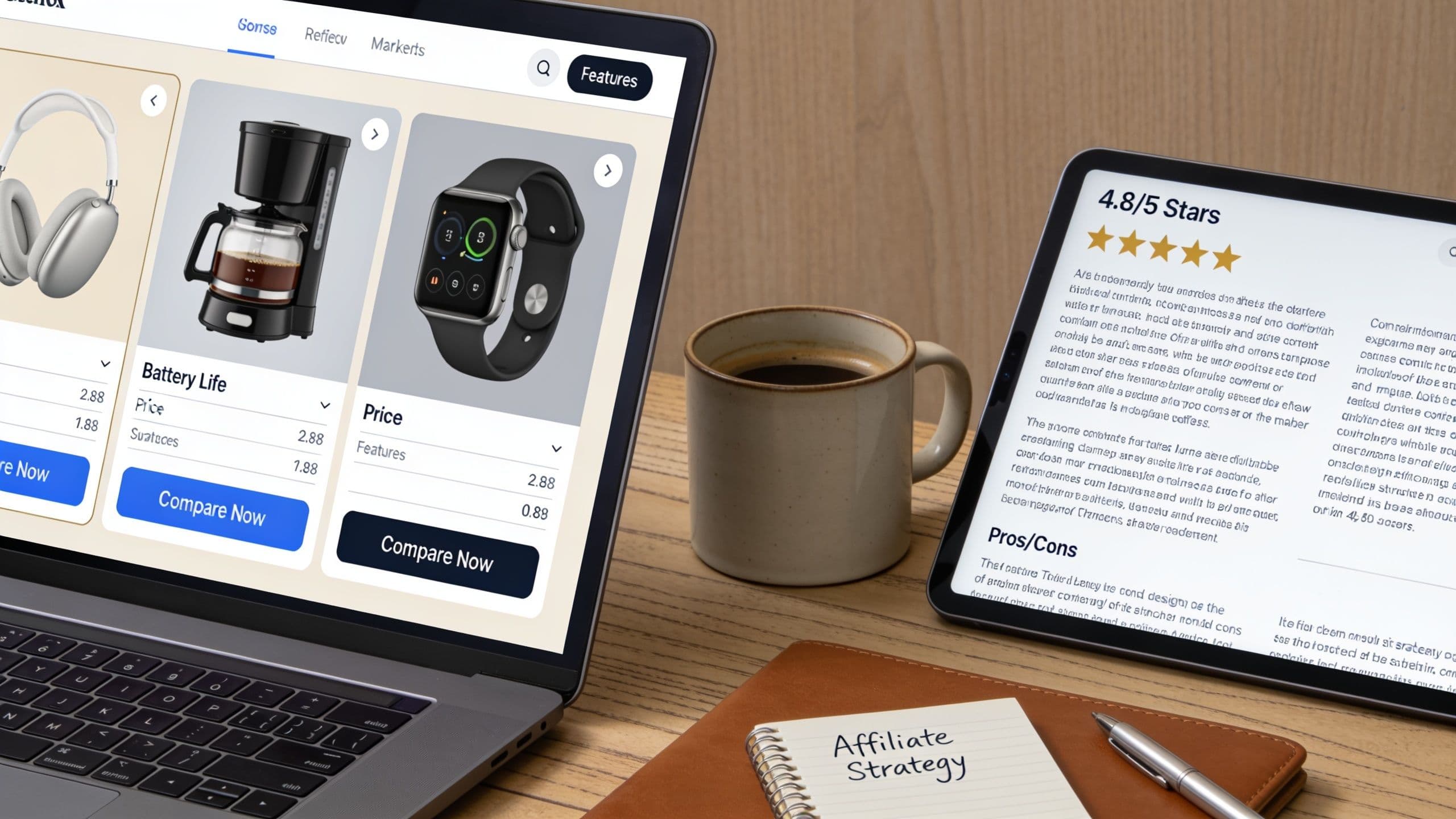
Clear, scannable layouts: Tables or grids that allow quick visual differentiation of features, prices, and ratings.
User-focused criteria: Comparing what truly matters to the target buyer persona—not just technical specs but aspects like ease of use, customer support, or warranty.
Rankings or scoring systems: Summaries that highlight the "best overall," "best value," or "best for specific needs" help reduce decision fatigue.
Actionable CTAs (Calls to Action): Prominent, persuasive buttons linking directly to purchase or registration pages.
Fresh, accurate data: Frequent updates to pricing, availability, and feature changes build credibility and relevance.
Additionally, integrating user reviews and testimonials can blend the trust benefits of standard reviews within the comparison framework.
Affiliate Disclosures and Trust-Building Techniques
Transparency is paramount to maintain user trust, especially when revenue depends on purchases facilitated through affiliate links. Effective approaches include:
Clear affiliate disclosures: Positioned near top of content or before CTAs to avoid surprises.
Honest tone: Balanced pros and cons reduce perceived bias.
Expert insights: Citing credible third-party reviews or product testing.
Social proof: Displaying user ratings or feedback where possible.
These elements help mitigate skepticism that comparisons “push” certain products unfairly.
Internal Linking From Informational to Comparison Content
A strategy that nurtures user intent progression involves linking from broad, informative blog posts or individual reviews to comparison pages. For example, an article explaining "How to Choose the Best Project Management Tool" can guide readers to a dedicated comparison of top SaaS options. This funneling technique captures users early and shepherds them toward the purchase-ready mindset.
How to Measure What Actually Converts
Using analytics tools and affiliate dashboards to measure content performance is critical. Key metrics include:
Click-through rate (CTR) on affiliate links within different content types.
Conversion rate from clicks to sales or sign-ups.
Average time on page and bounce rate to gauge engagement.
Revenue per visitor (RPV) to understand profitability.
Split testing comparison pages vs. standalone reviews in the same niche and tracking attribution across the user journey provides empirical evidence to refine the strategy continually.
Optimizing commercial content for higher conversions requires a nuanced understanding of audience intent. Comparison pages can outperform standard reviews in certain affiliate niches by appealing directly to buyers ready to decide, backed by thoughtful design and trust signals.
Safety & Scope
This article is for general informational purposes and does not replace professional advice for complex repairs or installations.
Frequently Asked Questions
+Are comparison articles better than product reviews for affiliate SEO?
Comparison articles can outperform product reviews for affiliate SEO when targeting keywords that indicate high purchase intent, such as "best" or "vs" queries. They attract users further along the buying funnel and provide multiple purchase options, often increasing engagement and conversions.
+What should a high-converting comparison page include?
A high-converting comparison page should have a clear, easy-to-scan layout, user-focused evaluation criteria, rankings or best-in-category recommendations, honest pros and cons, prominent affiliate link CTAs, up-to-date data, and trust-building elements such as affiliate disclosures and social proof.
+When does review content still outperform comparisons?
Reviews tend to outperform comparisons when the purchasing decision requires deeper education, expert opinions, or when the product is niche and less commoditized. They are effective for users in earlier stages of research who need comprehensive information to build trust before moving closer to purchase.